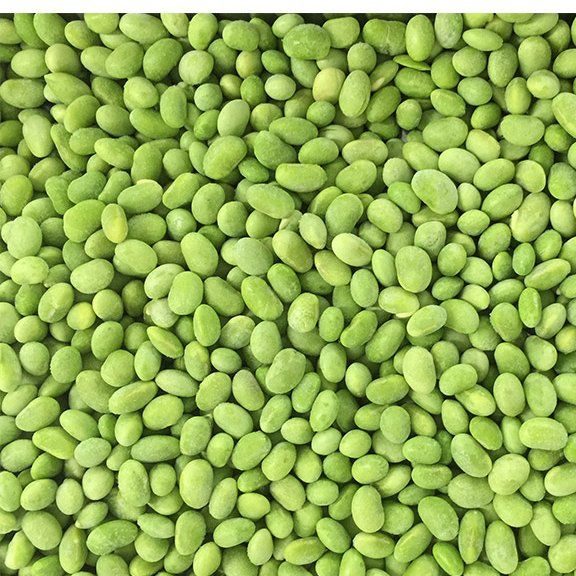
IQF Frozen Organic Edamame Beans
Product Name: IQF Frozen Organic Edamame Beans
Size: 4-5cm
Grade: A
Weight (kg): 10
Place of Origin: Shandong, China
Colour: green
shelf time: 24 months in -18℃ storage
Delievery Time: 15-20 days after contract confirmed
Pesticide residue: With reference to export the national standards
Recommended use-by date: Since the date of processing 24 months
Storage temperature: - 18 ℃ below
Benefits of Eating Frozen Vegetables Raw
Eating frozen vegetables raw offers a multitude of benefits that can enhance our overall health and well-being. One of the primary advantages is the preservation of vital nutrients. Frozen vegetables are picked at their peak ripeness and then immediately frozen, locking in the nutrients that would otherwise deteriorate during transportation and storage. This means that even though they have been frozen, they still retain a high level of vitamins, minerals, and antioxidants that are essential for our bodies.
Furthermore, frozen vegetables are incredibly convenient. They eliminate the need for washing, peeling, and chopping, saving us valuable time in the kitchen. With our fast-paced lifestyles, having ready-to-eat vegetables readily available can make it easier to incorporate them into our daily diet. Additionally, frozen vegetables have a longer shelf life compared to fresh produce, reducing food waste and ensuring that we always have a supply of nutritious options on hand.
In terms of taste, frozen vegetables can be surprisingly delicious. The freezing process helps to preserve the natural flavors and textures, allowing us to enjoy the crispness and vibrant taste of the vegetables even after they have been thawed. This makes them an excellent addition to salads, smoothies, and stir-fries, providing us with a burst of freshness and a satisfying crunch.
For those who are concerned about the environmental impact of their food choices, opting for frozen vegetables can be a more sustainable option. Frozen vegetables are often packaged in recyclable materials and have a lower carbon footprint compared to fresh produce that has been transported over long distances. By choosing frozen vegetables, we can contribute to reducing food waste and minimizing the resources required for transportation and storage.
Incorporating IQF vegetables into our diet can further enhance the benefits of eating frozen vegetables raw. IQF stands for individually quick frozen, which means that each vegetable is frozen separately, preserving its shape, texture, and taste. This technology ensures that the vegetables don't clump together, allowing us to conveniently use only the desired amount without any waste. IQF vegetables also tend to have a higher nutrient content compared to other frozen vegetables, making them an excellent choice for maximizing our nutritional intake.